
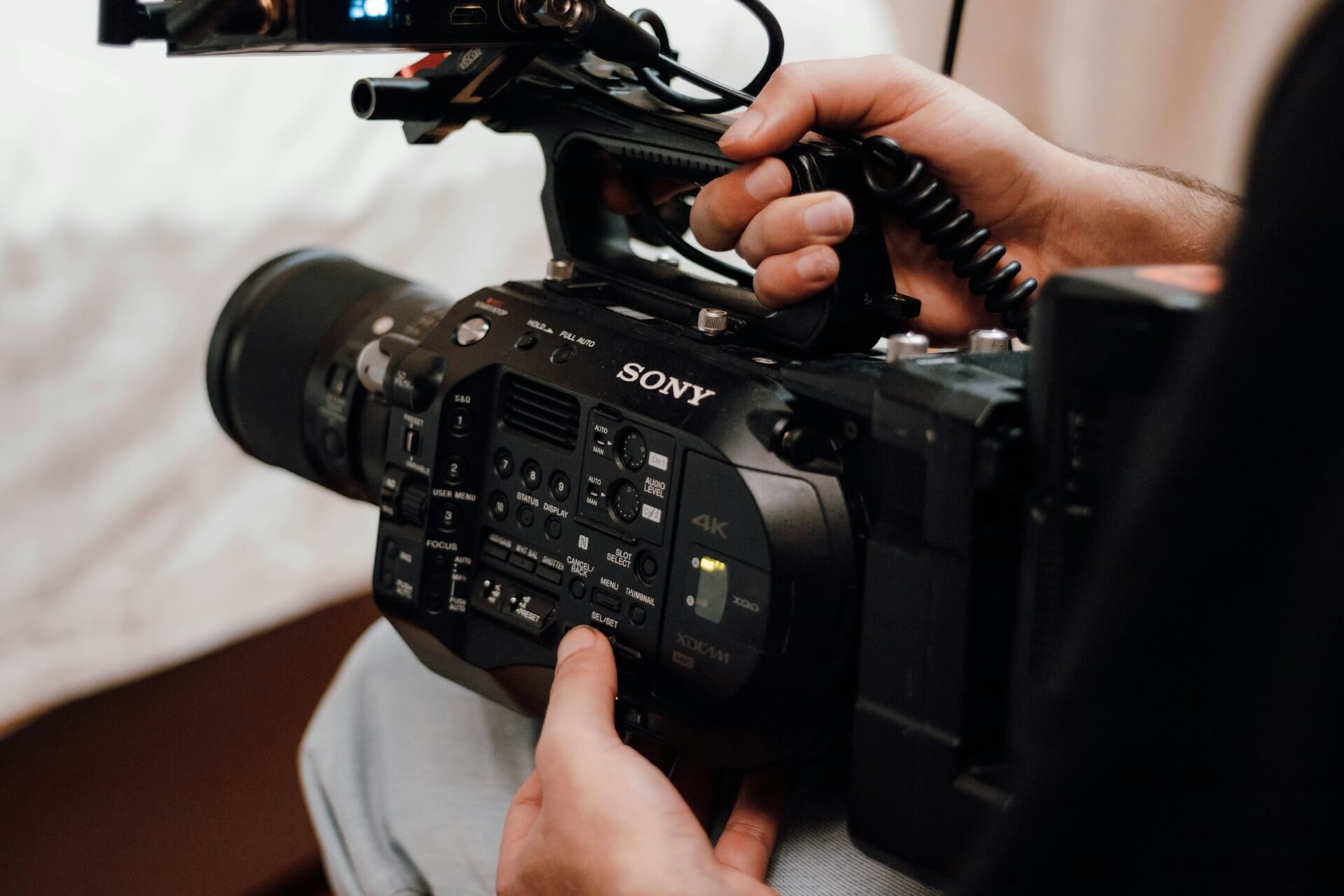
Planning video content for your brand? But what does it actually cost to hire a freelance videographer in the UK?
The honest answer is there’s no single price. Rates shift depending on the project scope, the videographer’s experience, location, what you need delivered, and how much support you’re after before and after the shoot.
That said, some useful benchmarks exist. Most freelance videographers in the UK charge somewhere between £350 and £900 per day. Experienced solo operators typically land in the £400 to £650 range for corporate, brand, and event work.
So if you’ve received wildly different quotes, you’re not losing your mind. You’re just seeing different ends of the market.
What does a freelance videographer typically cost in the UK?
UK rate guides put freelance videographers at roughly £550 per day on average. London-based or more specialised shooters often push beyond that, depending on the project and production demands.
Lower and mid-range rates are completely normal too. Some collectives and studios place freelance filmmakers closer to £350 to £450 per day, while others describe £400 to £650 as common for experienced professionals handling commercial work.
This range in price isn’t about “good” versus “bad” either. A straightforward one-camera interview in Yorkshire won’t be priced the same as a fast-turnaround campaign film in London with extra crew, lighting, motion graphics, and paid-ad usage built in.
If you’re a marketing manager comparing quotes, here’s the key thing: pricing reflects scope more than talent alone. A cheaper quote might exclude planning, editing, revisions, or equipment. A higher quote might include far more than someone turning up with a camera.
What affects the price?
Experience and specialism
A videographer with years of branded content, corporate interviews, events, or product marketing under their belt will usually charge more than someone newer to commercial work. This often means stronger planning, smoother shoot days, better on-set decisions, and fewer post-production headaches.
Specialist skills affect rates too. Drone work, multi-camera event coverage, advanced lighting, motion graphics, or fast-turnaround social edits all add complexity. And complexity nudges pricing upwards.
Shoot length
Most videographers price by full day, half day, or project rate.
A full day typically means 8 to 10 hours on site. A half day runs around 4 to 5 hours. Here’s the thing though: a half day usually isn’t half the price. Most rate guides put it at 60 to 70 percent of a full-day fee. Travel, setup, planning, and admin don’t vanish just because the shoot ends before tea time.
Travel
Travel is another area where pricing varies between freelancers. Some include travel time within their day rate, while others charge for it on top. The same goes for mileage, fuel, or transport costs, some videographers absorb these, others add them as expenses. It’s always worth establishing what’s included before you book, especially if the shoot location is outside the videographer’s usual patch. A quick conversation upfront avoids surprises on the invoice later.
Pre-production
The filming day is only part of the job.
Pre-production covers briefing calls, shot planning, scripting, location thinking, scheduling, and figuring out how the content will actually be used. On smaller shoots, some of this gets folded into the package. On bigger projects, it might be charged separately or reflected in the overall fee.
This part matters more than people realise. A well-planned shoot runs faster, captures better material, and creates more useful content across multiple channels. Less chaos, more value.
Editing and post-production
Editing is where the real shape of a project emerges.
Some pricing guides put video producer or editor day rates around £550, while others show a broad range from £300 to £500 for mid-level freelancers. Senior specialists go higher.
A project with one filming day and one or two editing days can quickly move into the £1,000 to £2,000-plus range. Especially once you add revisions, subtitles, music licensing, graphics, or multiple deliverables.
Equipment and production requirements
Some videographers quote a creative fee and add equipment separately. Others bundle their standard kit into the day rate. Equipment can add roughly £200 to £800 or more per day depending on what’s needed, such as cameras, lenses, lighting, audio, gimbals, or extra support kit. If the shoot needs an extra camera operator, dedicated sound recordist, teleprompter, studio hire, or more advanced lighting, the budget shifts again. None of this is unusual. It just needs to be clear upfront.
Turnaround time and deliverables
Next-day delivery or a bundle of platform-specific exports costs more than a relaxed timeline and one final film. A project including a hero video, social cutdowns, subtitles, portrait versions, and thumbnail stills means more editing time, more review rounds, and more care in how content gets prepared.
What are you actually paying for?
This bit often gets lost in pricing conversations.
When you hire a freelance videographer, you’re not just paying for someone to press record. You’re paying for judgement, planning, production experience, technical craft, and the ability to shape content that’s genuinely usable for marketing.
Depending on the project, that might include:
- Pre-production calls and planning
- Advice on what to film and how to structure it
- Filming on location
- Lighting and audio setup
- Directing contributors or interviewees
- Backing up footage safely
- Editing the final video
- Adding subtitles or graphics
- Exporting content in formats that suit different platforms
That’s why comparing videographers purely on day rate is a bit like comparing restaurants based on olive oil prices. Technically related, yes. The full picture? Not quite.
Why cheaper doesn’t always mean better value
It’s tempting to treat videography like a line item and chase the lowest quote. Sometimes that works. Often, it creates a second project to fix the first one.
A lower rate can still be excellent value, but only if the scope is clear and the output fits the brief. If a cheaper quote excludes editing, revisions, subtitles, or the planning needed to capture the right footage, those savings can evaporate quickly.
The better question is usually: what do you get for the money?
A well-run shoot could help you capture more than one finished asset. Perhaps it gives you material you can repurpose across your website, LinkedIn, paid campaigns, internal comms, or future edits. That kind of thinking often delivers stronger returns than simply shaving a bit off the initial fee.
How to budget for a video project properly
Do you want to receive a quote that’s useful? Then start with the end product.
Think about:
- What the video needs to achieve
- Who it’s aimed at
- Where it will be used
- How many final assets you need
- Whether you need one polished film or a package of content
- How quickly content needs to be delivered
The more clearly you define the brief, the easier it becomes to get accurate pricing and compare options fairly. You don’t need a full creative treatment before enquiring, but a rough plan goes a long way.
A good brief might include your objective, audience, a few example references, location, filming date, deliverables, and any budget range you have in mind. That gives your videographer something real to build around, instead of guessing in the dark.
When a freelance videographer is the right choice
For many marketing teams, a freelance videographer sits in a sweet spot between doing everything in-house and paying agency-level overhead.
Freelancers work especially well for defined campaigns, event coverage, interview shoots, brand content, and situations where strategy already exists but the team needs skilled production support.
This can be a smart option when you want flexibility, direct communication, and strong creative input without building a full internal video function. In-house production makes sense for high-volume, always-on content. Agencies often suit bigger, more complex campaigns. But for many brands, freelance support is the practical middle ground.
What to ask before you book
Comparing videographers? These questions tend to lead to better conversations and better outcomes:
- What’s included in the rate?
- How many rounds of revisions / amends are included?
- Is editing included or priced separately?
- Are travel and equipment included?
- What’s the turnaround time?
- Can this shoot be planned to create multiple pieces of content?
- Have you worked on similar projects before?
Final thoughts
The cost of hiring a freelance videographer in the UK varies because, well, the work also varies.
But ultimately, most brands are better served finding the right fit for their goals, timeline, and the content they need, rather than chasing the lowest or highest number on a rate card.
A good videographer should help you plan well, shoot efficiently, and walk away with content that keeps working long after the camera is packed down. That’s where the real value lives.
If you’re planning a project and want a clearer idea of budget, scope, or what’s realistic for your goals, getting a quote with a proper brief is usually the best place to start.
Back to Blog